How to Source Authentic Parts for a 1960s Jaguar E‑Type
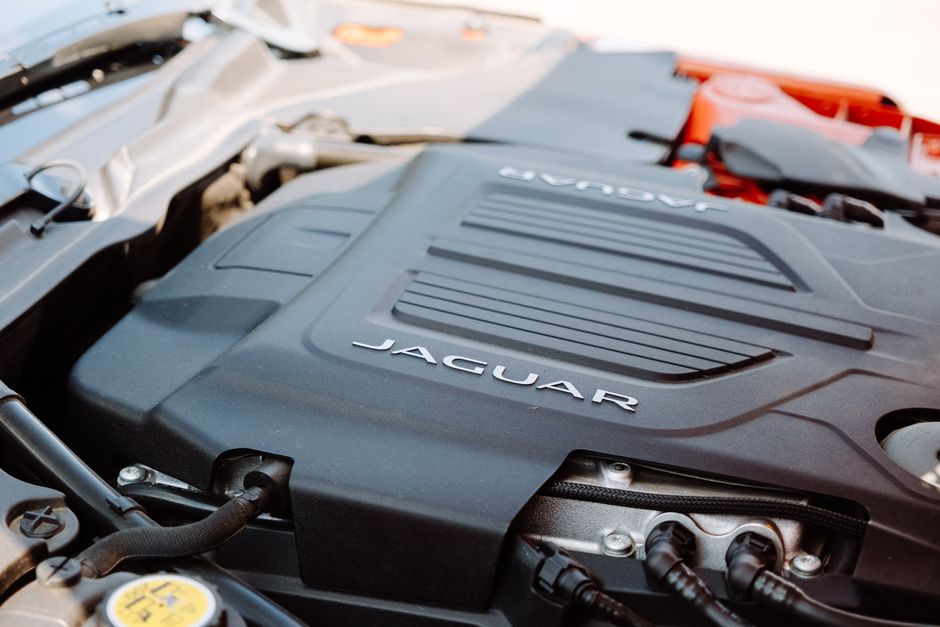
Restoring a 1960s Jaguar E‑Type to its original glory is a pursuit that demands patience, knowledge, and access to components that match the exact specifications of the period. The challenge lies not only in locating parts but in ensuring they are genuine or faithfully reproduced. A single incorrect component can alter the character, value, or safety of the vehicle, making authenticity a central concern for restorers and collectors alike.
This guide outlines a systematic approach to sourcing original and correct parts for the E‑Type. It covers how to identify reputable suppliers, practical methods for verifying authenticity, and ways to build a reliable network over time. The focus is on informed decision-making and process, rather than on promising instant results or guaranteed sources.
Whether you are undertaking a full concours restoration or maintaining a driver‑quality car, understanding the landscape of suppliers, documentation, and verification techniques will help you navigate the complexities of this iconic model.
Understanding the Landscape of Suppliers
Sourcing parts for a 1960s Jaguar E‑Type involves engaging with a variety of suppliers, each with different strengths and specialisations. Official heritage operations, such as those associated with the Jaguar Daimler Heritage Trust, can provide a starting point for many mechanical and structural components, although availability varies depending on original stock levels and reproduction runs.
Independent specialists in the United Kingdom and elsewhere have built extensive catalogues of both new old stock and remanufactured parts. Many of these businesses have decades of experience with the model and maintain relationships with original sub‑contractors or manufacturers who continue to produce components to factory specifications. It is helpful to distinguish between suppliers who focus strictly on concours‑correct items and those who offer cost‑effective alternatives for everyday driving.
Online marketplaces and auction sites can be a source for rare items, but they require careful scrutiny. A reputable seller will usually provide detailed photographs, serial numbers, and provenance documentation. When evaluating an unfamiliar supplier, checking for membership in recognised classic car trade associations or reviewing independent customer feedback can reduce the risk of misrepresentation.
Verifying Authenticity Through Numbering and Markings
The Jaguar E‑Type benefits from a part‑numbering system that was consistently applied across its production run. Many original components carry stamped or cast numbers that correspond to factory service parts lists. Cross‑referencing a part number against a period‑correct workshop manual or a trusted online database is one of the most reliable ways to confirm its intended application.
Beyond part numbers, manufacturers often left subtle identification marks. Lucas electrical items, for example, bear date codes and batch numbers that can be correlated with the car’s build date. Similarly, carburettor components, brake calipers, and suspension parts frequently feature casting marks or ink stamps that indicate the original supplier. A magnifying lens and a good light source are essential tools for inspecting these details.
It is important to remember that some components were shared across different Jaguar models of the era, so a genuine part may still be incorrect for an E‑Type if it came from a later or earlier range. Consulting factory build records or heritage certificates can clarify which specific variant a car originally received. This level of verification is especially critical for engine blocks, cylinder heads, and differentials, where subtle differences affect performance and originality.
Assessing Condition and Provenance
Authenticity is not only about the part being correct for the model but also about its physical state and history. A NOS (new old stock) component that has been stored improperly may suffer from corrosion, perished seals, or dimensional distortion. Evaluating condition requires systematic inspection: checking for pitting, measuring tolerances where possible, and looking for signs of previous machining or modification.
Provenance documents, such as invoices from known specialists, receipted heritage certificates, or photographs of the part still attached to a donor vehicle, add confidence. If a seller cannot provide any background on where the component came from, it is prudent to treat the item as unverified until the buyer can perform their own research. For high‑value items like a correct‑date‑code SU carburettor or a factory‑finish radiator, provenance can significantly affect both price and suitability.
Some restorers prefer to purchase entire donor cars to guarantee a matched set of original components, but this approach requires ample storage space and a willingness to disassemble and catalog multiple assemblies. Others rely on trusted specialists who offer inspection services or who allow customers to view parts in person before purchase. When distance prevents a physical visit, a video call can be a helpful alternative for examining details under natural light.
Common Approaches to Sourcing Rare Components
Certain parts for the 1960s Jaguar E‑Type are notoriously difficult to find in original condition. Brightwork, such as chrome bezels, window frames, and radiator grille slats, often suffers from pitting or has been replaced with non‑original reproductions. For these items, some specialists offer re‑chroming services using the original piece as a core, preserving the correct fit and markings while renewing the finish.
Another route is to engage with marque‑specific enthusiast clubs and forums. These communities maintain classified sections and swap meets where members sell surplus parts. Because participants are usually knowledgeable about the model, misrepresented items are less common, and advice on correct identification is freely shared. Attending national or regional club meets also allows a restorer to examine multiple examples of the same component side by side.
For mechanical parts that are no longer manufactured, reverse engineering and small‑batch reproduction has become a viable option. Some specialists scan original components to create accurate castings or CNC‑machined replacements. While these parts are not original, they can be functionally identical and visually indistinguishable when finished correctly. The choice between an original but worn item and a reproduction that fits perfectly depends on the goals of the restoration and the intended use of the car.
Building a Long‑Term Sourcing Network
Finding authentic parts for an E‑Type is rarely a one‑off activity; it is an ongoing process that benefits from consistent relationships. Developing a rapport with a few trusted suppliers who understand the specific needs of your car can lead to advance notice of incoming stock or access to parts before they are listed publicly. Many specialists maintain wish lists and will contact customers when a sought‑after component arrives.
Keeping a detailed log of parts already acquired, along with their condition and source, helps avoid duplicates and provides a reference for future purchases. Over time, this record becomes a valuable resource for verifying the consistency of the restoration. Exchanging information with fellow restorers through online forums or local groups also expands the collective knowledge available when a challenging part is needed.
The process of sourcing authentic components for a 1960s Jaguar E‑Type requires a combination of research, patience, and methodical verification. By understanding the supplier landscape, mastering part‑number and marking interpretation, and building a network of reliable contacts, restorers can make informed choices that support the preservation of this classic automobile. No single source guarantees every part, but a disciplined approach reduces uncertainty and helps maintain the integrity of the vehicle.